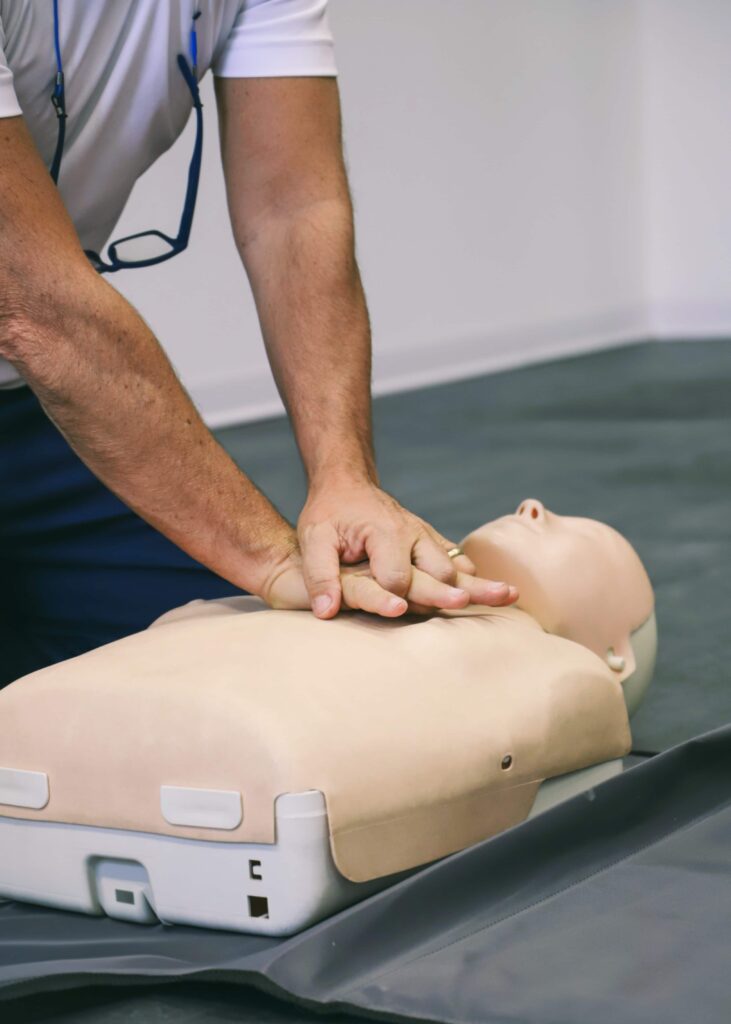
A Basic Life Support (BLS) standard BLS course follows a strict curriculum to ensure you can handle life-threatening emergency.
*All courses are scheduled as regulated by AHA’s regulation. The course is scheduled for 4 hours. Class time varies based upon between competency level and number of students. The course typically runs 2-3 hrs on average.
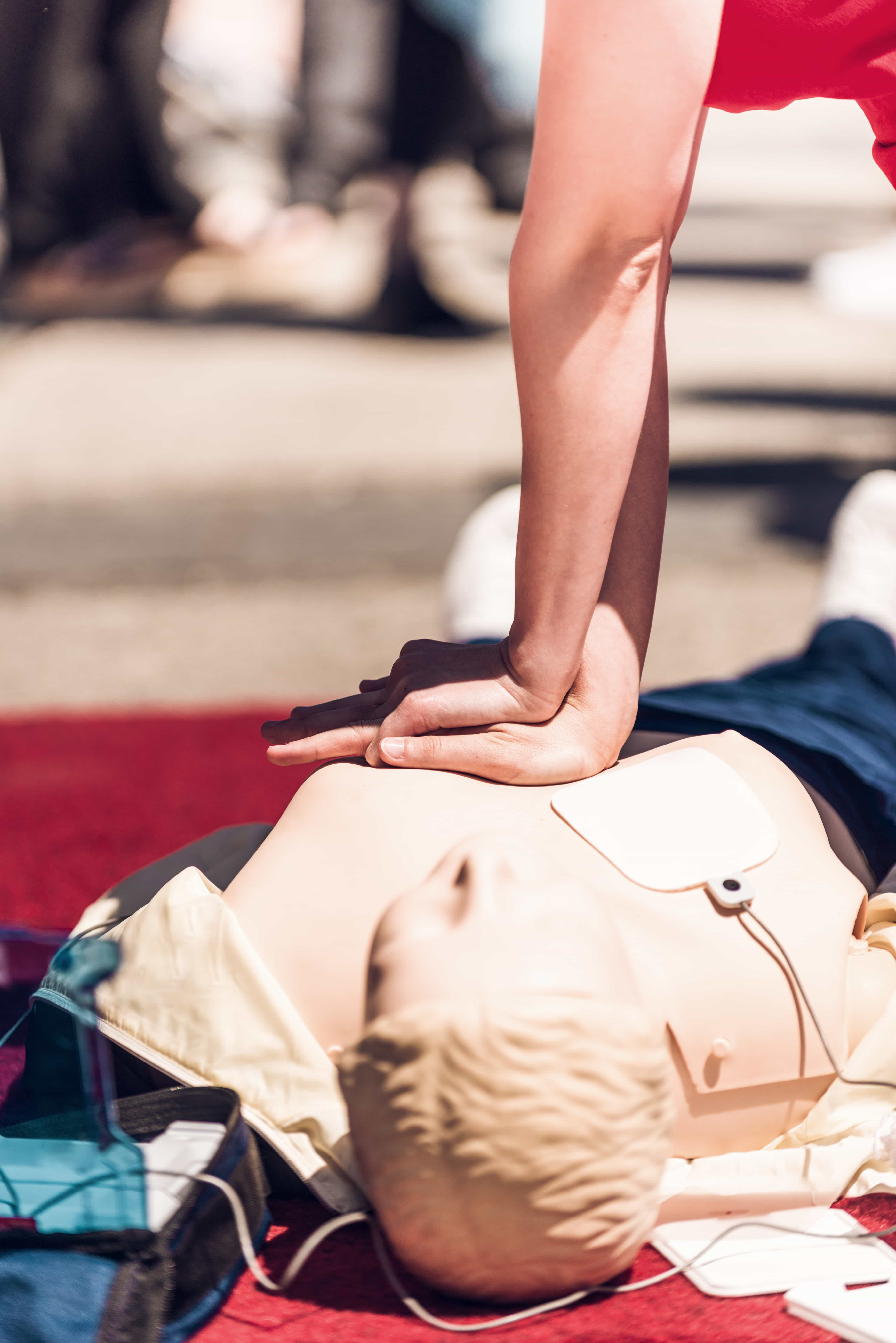
American Heart Association (AHA) courses are designed to be accessible for people without medical backgrounds. Whether you are a parent, a coach, or a workplace safety officer, these courses provide the practical skills needed to save a life.
*All courses are scheduled as regulated by AHA’s regulation. The course is scheduled for 4 hours. Class time varies based upon between competency level and number of students. The course typically runs 2-3 hrs on average.
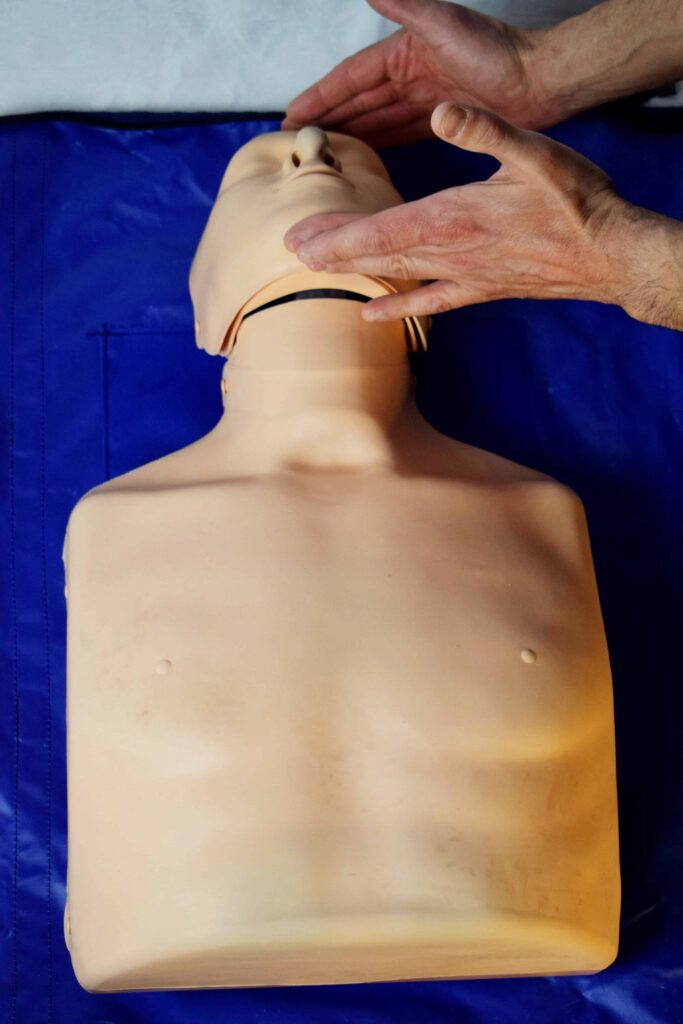
The Heartsaver series is the American Heart Association’s (AHA) primary curriculum for non-medical professionals (lay rescuers). While medical professionals take “BLS” (Basic Life Support), Heartsaver is designed for anyone else—from teachers and coaches to office workers and parents—who needs a certification for work or simply wants to be prepared.
Course is for any one who needs CPR + AED training without needing first aid.
*All courses are scheduled as regulated by AHA’s regulation. The course is scheduled for 4 hours. Class time varies based upon between competency level and number of students. The course typically runs 2-3 hrs on average.
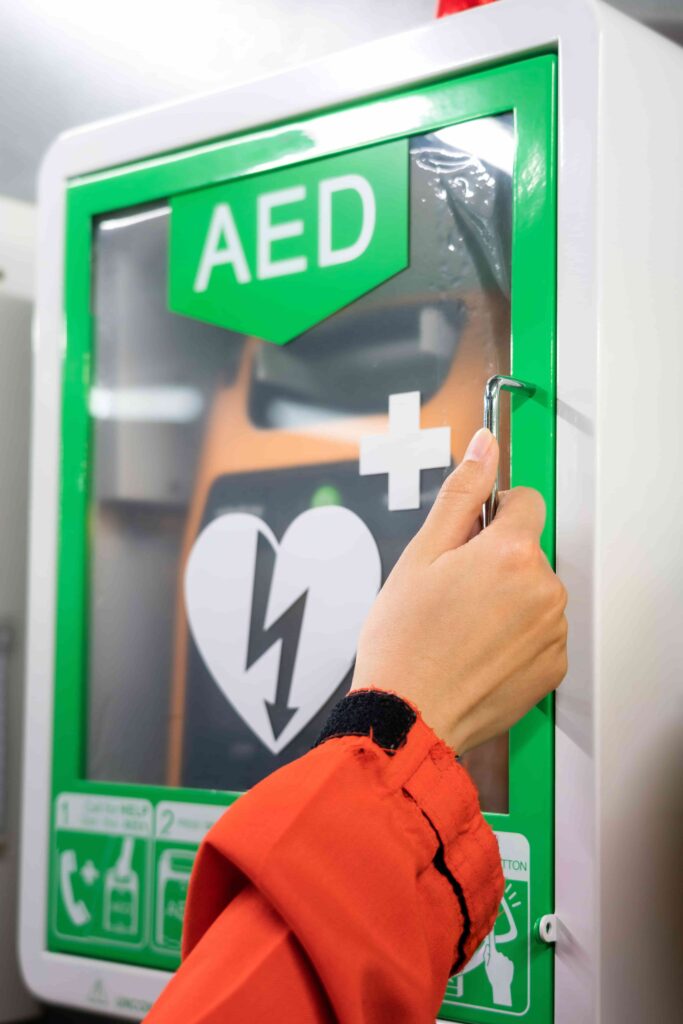
When looking for emergency response training, you will typically find three main “flavors” of courses under the American Heart Association (AHA) or Red Cross systems. These are designed primarily for non-medical professionals (teachers, coaches, office workers, etc.).
The primary difference between them is the scope of emergencies covered.
*All courses are scheduled as regulated by AHA’s regulation. The course is scheduled for 4 hours. Class time varies based upon between competency level and number of students. The course typically runs 2-3 hrs on average.